UV-C disinfection for the fish and seafood processing industry
Fish and seafood processing facilities face demanding hygiene requirements. Raw fish, shellfish, moisture, organic residues and chilled production environments all create challenges for maintaining consistent microbial control.
From fish reception and preparation through to filleting, portioning, cooking, chilling and packaging, contamination can be transferred through equipment, surfaces, personnel and the surrounding air.
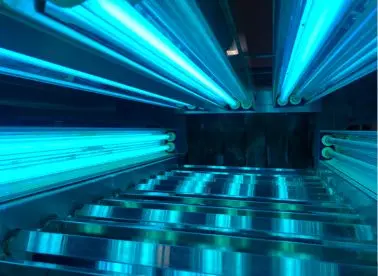
UV-C disinfection provides an additional method of reducing microorganisms in suitable processing environments, without adding chemicals or moisture.
Arden Ultraviolet supplies industrial UV-C equipment and technical support to help seafood manufacturers identify and implement appropriate disinfection applications.
Hygiene challenges in fish and seafood processing
Important hygiene considerations include:
- Listeria monocytogenes: Particularly important in smoked fish, chilled ready-to-eat seafood and other products consumed without further cooking.
- Vibrio species: Relevant to certain seafood products, particularly shellfish and products from marine environments.
- Salmonella: A potential hazard associated with contaminated raw materials and cross-contamination.
- Spoilage organisms: Bacteria, yeasts and moulds can contribute to reduced product quality and shelf life.
- Moisture and organic residues: Fish proteins, oils, slime and water can create challenging cleaning conditions and shield microorganisms from UV-C.
- Cross-contamination: Knives, filleting equipment, conveyors, trays and packaging can transfer microorganisms between processing stages.
Effective sanitation, temperature control, raw material management and environmental monitoring remain essential.
Where can UV-C be used in seafood processing?
Fish reception and preparation
Air disinfection may help reduce airborne contamination in suitable receiving, preparation and processing areas.
Filleting and portioning rooms
Filleting equipment, knives, cutting surfaces and conveyors require careful hygiene management. UV-C cabinets and suitable surface treatment systems can provide additional control for accessible cleaned equipment.
Smoked fish and ready-to-eat seafood
Post-processing contamination is a significant consideration for smoked fish and other ready-to-eat seafood. UV-C air disinfection may help reduce airborne microbial contamination in suitable slicing, portioning and packing areas.
Seafood packaging lines
UV-C can be considered for suitable exposed conveyor and packaging surfaces, particularly where products are exposed before sealing.
Chilled storage and cold rooms
Enclosed UV-C air disinfection can provide continuous treatment of circulating air in appropriate chilled storage and production environments.
UV-C equipment for seafood manufacturers
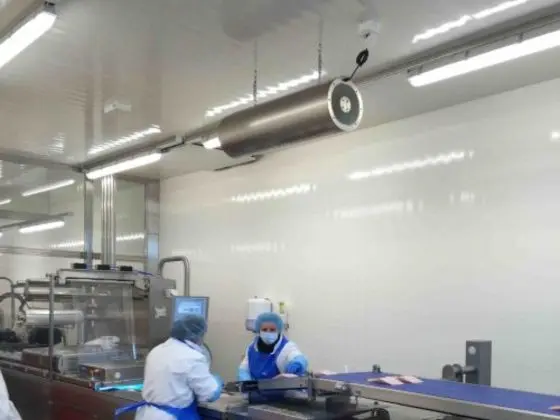
UV air disinfection
Reduce airborne contamination to keep air clean.
Browse air disinfection solutions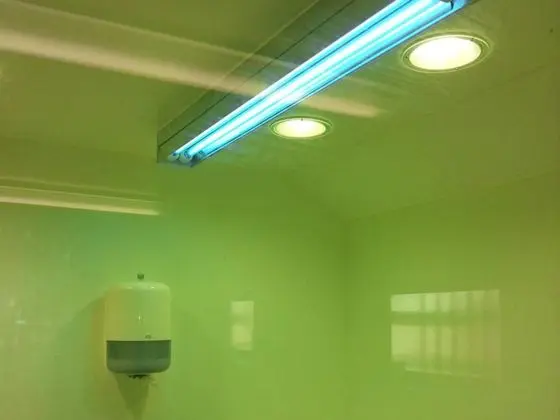
UV surface disinfection
Kill bacteria and viruses on surfaces to improve cleanliness.
Browse surface disinfection lamps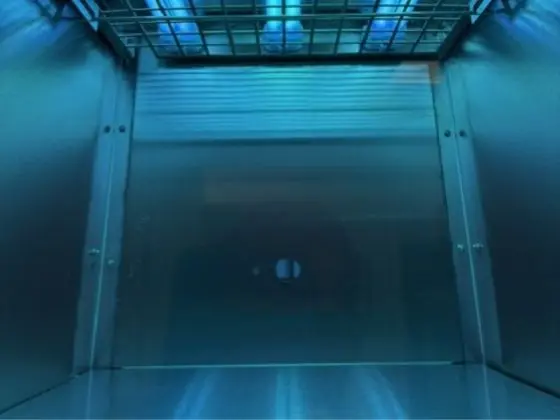
Enclosed UV disinfection
Safe and effective disinfection of items, tools and utensils.
Browse enclosed systemsImproving seafood hygiene and environmental control
Airborne microorganisms can settle on exposed seafood, equipment and packaging. Reducing airborne contamination in critical processing and packing areas can therefore support wider environmental hygiene programmes.
UV-C can provide a continuous additional layer of air treatment without introducing moisture or chemical residues.
However, UV-C is not a substitute for cleaning, temperature control, water quality management or appropriate product handling.
UV-C safety and compliance
UV-C radiation can damage eyes and skin. Correct equipment selection, guarding, interlocks and operator training are essential.
In wet seafood processing environments, equipment must also be suitable for the conditions in which it is installed, including wash-down requirements and exposure to moisture.
Arden Ultraviolet offers UV risk management training, workplace radiation surveys and UV hazard awareness training.
Frequently asked questions
Can UV-C kill Listeria in fish processing?
UV-C can inactivate Listeria monocytogenes when sufficient UV-C dose reaches the organism. Air, exposed surfaces and suitable equipment applications can be assessed as part of a wider hygiene programme.
Can UV-C help with mould and spoilage organisms?
Yes. UV-C can inactivate many bacteria, yeasts and moulds. Effectiveness depends on the organism, dose and application conditions.
Can UV-C be used in chilled fish processing rooms?
Yes. Enclosed air disinfection units can be assessed for suitable chilled production and storage environments.
Does UV-C work on wet fish processing surfaces?
Moisture and organic residues can affect UV-C performance by shielding microorganisms. Surfaces must be cleaned thoroughly and the application validated.
Can UV-C replace cleaning and sanitation in seafood factories?
No. UV-C does not remove fish proteins, oils, slime or other organic residues.
Discuss UV-C disinfection for your seafood processing facility
Whether you process fresh fish, shellfish, smoked seafood or ready-to-eat products, Arden Ultraviolet can help identify suitable UV-C applications for your facility. requirements and request a quotation.
Contact us to discuss your UV light requirements
Whether you’re already using UV and looking to learn more about safety, or looking to introduce a new process, we’d love to hear from you.
Speak to a member of our team