UV-C Disinfection for Breweries and Beer Production
Maintaining high standards of hygiene is essential in breweries. From raw ingredient handling and fermentation through to filtration, storage and packaging, controlling microbial contamination helps protect product quality, consistency and production efficiency.

Arden Ultraviolet provides UV-C disinfection solutions designed to support hygiene management in food and beverage manufacturing environments. UV-C technology can be used to treat air and exposed surfaces, helping breweries strengthen their contamination-control strategies in selected production and packaging areas.
Whether you operate a craft brewery or a large-scale beer production facility, UV-C disinfection may offer an additional layer of protection alongside established cleaning, sanitation and quality-control procedures.
Where can UV-C disinfection be used in breweries?
Breweries contain several areas where environmental hygiene is important. UV-C systems can be considered for suitable applications where exposure, airflow and operating conditions allow effective treatment.
Brewing and production areas
Brewing areas contain equipment, pipework, tanks and process machinery that must be maintained to high hygiene standards.
UV-C systems can support environmental hygiene by treating air or suitable exposed surfaces in selected areas. They may be particularly relevant around production spaces where maintaining controlled environmental conditions is important.
UV-C should be assessed carefully for each application. It does not replace cleaning-in-place (CIP), equipment sanitation or validated process controls.
Fermentation and maturation areas
Fermentation and maturation are critical stages in beer production. Maintaining appropriate hygiene around vessels, connections and surrounding production environments helps reduce the risk of unwanted contamination.
UV-C air treatment may be considered in suitable areas to help manage airborne microbial contamination. The system design must account for room layout, airflow, occupancy and UV exposure safety.
UV-C treatment of the surrounding environment should not be confused with direct treatment of beer or the inside of closed vessels.
Filtration and clarification areas
Filtration and clarification areas require careful hygiene management, particularly where product is transferred between process stages.
UV-C may provide an additional environmental hygiene measure in suitable spaces, helping support existing cleaning and sanitation programmes.
The effectiveness of any installation depends on the application, UV dose, exposure time, distance and whether microorganisms are directly exposed to the UV-C radiation.
Bottling and canning lines
Packaging is an important stage in brewery operations. Bottles, cans, closures and packaging equipment must be managed carefully to protect the finished product.
UV-C technology can be considered for suitable exposed surfaces and packaging-related applications, subject to a technical assessment of the line configuration, material compatibility, exposure time and required treatment.
Where UV-C is used, the system must be designed around the actual production process. It should not be assumed that every surface receives an effective dose, particularly where shadows, complex shapes or fast-moving products are involved.
Packaging and finished-product areas
The areas surrounding filling, sealing and finished-product handling operations can benefit from a well-managed environmental hygiene strategy.
UV-C air or surface treatment may help support hygiene controls in appropriate locations. Systems should be selected and installed to suit the room dimensions, ventilation, operating schedule and safety requirements.
Benefits of UV-C technology in breweries
When correctly specified and installed, UV-C disinfection can offer several potential benefits as part of a wider brewery hygiene programme.
- Environmental hygiene support: UV-C can help reduce microbial contamination in treated air and directly exposed surfaces.
- Additional contamination control: Provides another hygiene measure alongside established cleaning and sanitation procedures.
- Integration with production environments: Systems can be assessed for suitable production, storage and packaging locations.
- No chemical residue from UV-C treatment: UV-C disinfection does not rely on applying a chemical disinfectant to the treated air or surface.
- Application-specific solutions: Equipment can be selected according to the required treatment area and operating conditions.
Actual performance depends on system design, UV intensity, exposure time, distance, airflow and the target microorganism. UV-C is not a substitute for good manufacturing practice, cleaning or validated sanitation.
Why brewery hygiene matters
Beer production involves multiple process stages, each with its own hygiene requirements. Unwanted microorganisms can affect product quality, flavour stability and consistency.
Brewery hygiene programmes typically combine:
- Cleaning-in-place (CIP) and cleaning-out-of-place procedures.
- Equipment and vessel sanitation.
- Control of water and process inputs.
- Air and environmental hygiene.
- Personnel hygiene and controlled access.
- Routine inspection, monitoring and quality assurance.
UV-C can form part of this wider approach where a suitable application has been identified and the system can deliver an appropriate dose.
Choosing the right UV-C system for a brewery
Every brewery has a different layout, production process and hygiene risk profile. Selecting the right UV-C solution requires an understanding of the application and the conditions in which the equipment will operate.
Important considerations include:
- The treatment target: Is the objective to treat air, exposed surfaces or a defined process stream? These applications require different system designs.
- The production environment: Room dimensions, ventilation, temperature, humidity, dust and operating conditions can all influence system selection.
- Exposure and UV dose: UV-C performance depends on the dose delivered to the target. This is affected by intensity and exposure time, as well as distance, airflow and line of sight.
- Material compatibility: UV-C can degrade some plastics, elastomers and other materials with repeated exposure. Materials near the treatment zone should be assessed.
- Operator safety: UV-C exposure can harm eyes and skin. Equipment must be designed and installed with appropriate shielding, interlocks, access controls and operating procedures.
- Maintenance and monitoring: Lamp output can decline over time. Maintenance, cleaning, performance checks and replacement schedules should be considered as part of the installation.
UV-C disinfection solutions for breweries
All UV-C disinfection lamps provide a high UV-C output at 254 nm
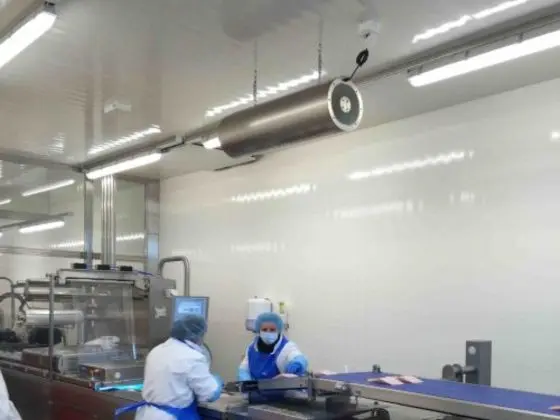
UV air disinfection
Reduce airborne contamination to keep air clean.
Browse air disinfection solutions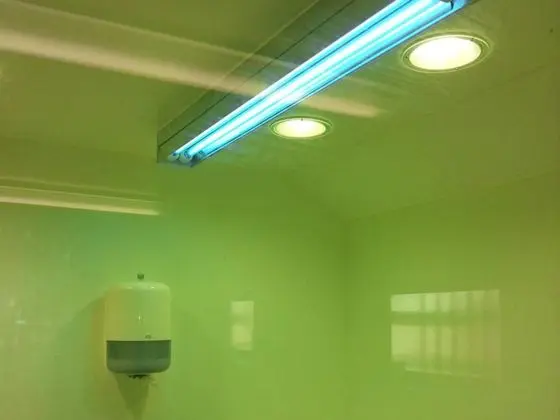
UV surface disinfection
Kill bacteria and viruses on surfaces to improve cleanliness.
Browse surface disinfection lamps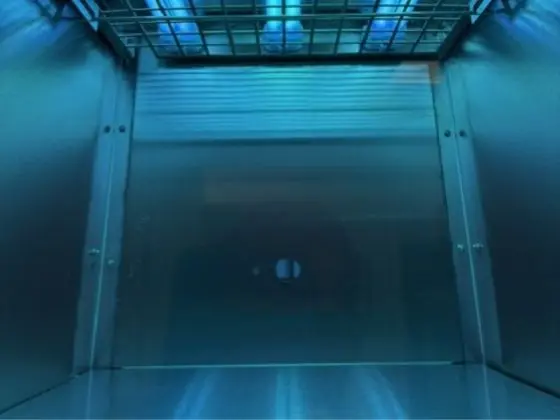
Enclosed UV disinfection
Safe and effective disinfection of items, tools and utensils.
Browse enclosed systemsFrequently asked questions
Can UV-C disinfection be used in breweries?
Yes. UV-C technology can be considered for suitable air and exposed-surface treatment applications in brewery environments. Its suitability depends on the process, installation design, operating conditions and UV exposure safety requirements.
Can UV-C kill bacteria in beer?
UV-C can inactivate microorganisms when they receive a sufficient dose, but direct treatment of beer is a specialised process. Beer composition, UV transmission, flow conditions and product quality must all be considered. An environmental UV-C system should not be assumed to disinfect beer.
Can UV-C replace cleaning-in-place (CIP)?
No. UV-C does not replace CIP, equipment sanitation or established brewery cleaning procedures. It can provide an additional hygiene measure for suitable applications.
Can UV-C be used around bottling and canning lines?
Yes. UV-C may be suitable for selected exposed surfaces or packaging-related applications, provided the system is designed around the line speed, product geometry, materials and required UV dose.
Does UV-C leave chemical residues?
UV-C treatment does not apply a chemical disinfectant to the treated air or surface, so it does not leave chemical disinfectant residues. However, it does not remove dirt, beer residues, biofilms or other physical contamination. Cleaning remains essential.
Is UV-C safe for brewery employees?
Direct exposure to germicidal UV-C can harm eyes and skin. Systems must be appropriately designed, shielded and controlled, with suitable interlocks and safety procedures. Open UV-C systems should not be operated in occupied areas unless specifically designed and assessed for safe operation. We offer full support around UV safety in the workplace including UV risk management training, exposure assessments and hazard awareness training.
How do I choose a UV-C system for my brewery?
The right system depends on whether you need air or surface treatment, the size and layout of the area, operating conditions, target microorganisms and required UV dose. A technical assessment is recommended before selecting equipment.
Call 01564 200 826 or contact our team to discuss your requirements and request a quotation.
Contact us to discuss your UV light requirements
Whether you’re already using UV and looking to learn more about safety, or looking to introduce a new process, we’d love to hear from you.
Speak to a member of our team