UV-C disinfection for the bakery industry
Maintaining consistent hygiene in bakery manufacturing requires control of contamination throughout ingredient handling, mixing, proving, baking, cooling and packaging.
Although baking provides an important heat treatment, products can be exposed to microorganisms again during cooling, slicing, handling and packaging. Airborne mould spores, yeasts and bacteria can settle on exposed products and contribute to spoilage, reduced shelf life and product waste.

UV-C disinfection offers bakeries an additional method of reducing microbial contamination in the air and on suitable exposed surfaces, without introducing chemicals or moisture.
Arden Ultraviolet supplies industrial UV-C equipment and specialist advice to help bakery manufacturers identify practical applications for their production environments.
Hygiene challenges in commercial bakeries
Bakery production presents several distinct contamination challenges:
- Mould contamination: Airborne mould spores can settle on baked goods during cooling and packaging, potentially contributing to premature spoilage.
- Yeasts and spoilage organisms: Environmental microorganisms can affect product quality and shelf life.
- Post-baking contamination: Products may be exposed to contamination after leaving the oven, particularly during cooling, slicing and handling.
- Flour and ingredient dust: Dust can circulate within production areas and create additional housekeeping and occupational safety challenges.
- Packaging contamination: Packaging materials can become exposed to airborne microorganisms before products are sealed.
- Storage environments: Finished products and packaging materials may be vulnerable to environmental contamination during storage.
Effective cleaning, dust management, process segregation and environmental monitoring remain fundamental to bakery hygiene.
Where can UV-C be used in bakery production?
Cooling and handling areas
Cooling conveyors are an important point in bakery production because products are exposed to the surrounding environment after baking. UV-C air disinfection can help reduce airborne microorganisms in suitable cooling and handling areas.
Slicing and portioning equipment
Equipment used to slice and portion baked products requires effective cleaning and hygiene management. UV-C surface treatment may be suitable for exposed, accessible equipment surfaces during planned downtime.
Bakery packaging lines
Packaging areas are particularly relevant for products that remain exposed before sealing. UV-C can be considered for suitable conveyor surfaces and packaging materials where direct exposure is possible.
Ingredient and packaging storage
Airborne mould spores and other microorganisms can circulate through storage environments. Enclosed UV-C air disinfection units can provide continuous treatment of room air.
Production rooms
Air treatment can help reduce airborne microorganisms in production rooms, helping to complement existing cleaning and environmental hygiene programmes.
UV-C solutions for bakery manufacturers
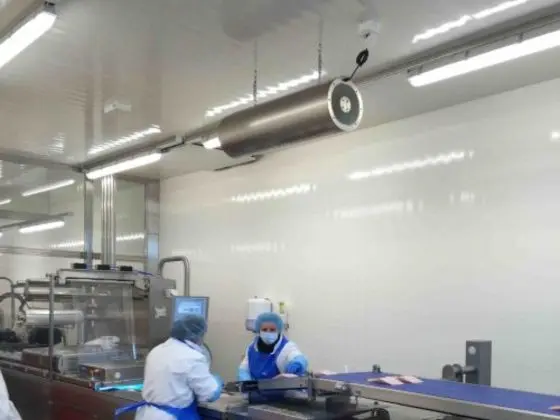
UV air disinfection
Reduce airborne contamination to keep air clean.
Browse air disinfection solutions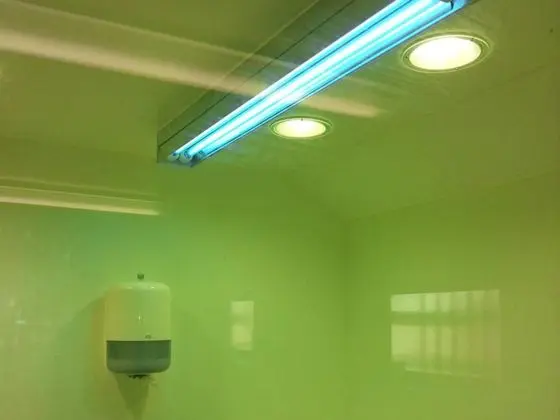
UV surface disinfection
Kill bacteria and viruses on surfaces to improve cleanliness.
Browse surface disinfection lamps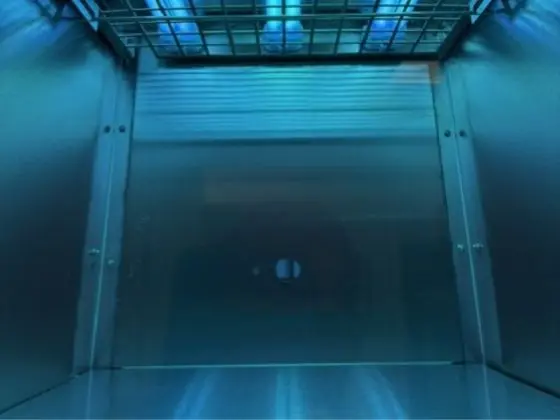
Enclosed UV disinfection
Safe and effective disinfection of items, tools and utensils.
Browse enclosed systemsImproving bakery hygiene and shelf-life management
Airborne mould contamination is a particular consideration for bakeries producing bread, cakes, pastries and other products vulnerable to spoilage.
Reducing the number of viable mould spores circulating in production and packaging environments can help reduce the opportunity for contamination of exposed products.
However, shelf life is influenced by many factors, including ingredients, moisture content, packaging, storage conditions and initial microbial levels. UV-C air disinfection should therefore be considered a supporting hygiene measure, not a guaranteed shelf-life extension treatment.
UV-C safety and compliance
UV-C radiation can damage eyes and skin. Equipment must be correctly enclosed or guarded, with appropriate interlocks and safe operating procedures. Bakery environments also require careful consideration of flour dust and combustible dust hazards. UV-C equipment must be selected and installed with the relevant environmental and ignition risks assessed.
Arden Ultraviolet provides UV risk management training, workplace radiation surveys and UV hazard awareness training.
Frequently asked questions
Can UV-C reduce mould in bakeries?
UV-C can inactivate airborne mould spores and mould on suitably exposed surfaces when sufficient dose reaches the target. Air treatment may be particularly relevant in cooling and packaging areas.
Can UV-C extend the shelf life of bread?
Reducing airborne contamination may help reduce post-baking contamination, which can contribute to spoilage. However, shelf life depends on several factors, and any improvement must be demonstrated through product-specific testing.
Can UV-C be installed above bakery conveyors?
Potentially. The installation needs to account for conveyor speed, surface exposure, shadowing, equipment access and operator safety.
Does UV-C replace bakery cleaning?
No. It does not remove flour, dough, fats or other residues. Cleaning remains essential.
Can UV-C treat packaging materials?
UV-C can treat suitable exposed packaging surfaces, provided the material receives the required dose. Packaging geometry, material properties and shadowing must be considered.
Discuss UV-C disinfection for your bakery
Whether you manufacture bread, cakes, pastries, biscuits or other baked products, Arden Ultraviolet can help identify suitable applications for UV-C air and surface disinfection.
Call 01564 200 826 or contact our team to discuss your bakery hygiene requirements and request a quotation.
Contact us to discuss your UV light requirements
Whether you’re already using UV and looking to learn more about safety, or looking to introduce a new process, we’d love to hear from you.
Speak to a member of our team