UVA Inspection Lamps for Conservation and Preservation Examination
In conservation and preservation work, careful examination is essential for understanding the condition, authenticity, and treatment history of artefacts. Whether analysing historic paintings, manuscripts, textiles, ceramics, or archival materials, conservators rely on non-destructive techniques that reveal hidden information without damaging delicate objects.
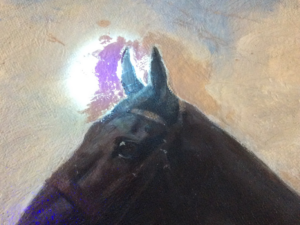
UVA inspection lamps, commonly referred to as UV black lights, are widely used in conservation because they allow specialists to identify surface changes, restorations, varnishes, adhesives, and biological contamination through simple visual inspection. By illuminating materials with ultraviolet light, conservators can observe fluorescence effects that are invisible under normal lighting conditions.
This makes UVA inspection one of the most accessible and effective tools available for conservation professionals, providing immediate insights that support documentation, authentication, and preservation planning.
Why UVA light is valuable in conservation work
Many natural and synthetic materials fluoresce when exposed to UVA light, typically around 365 nm. This fluorescence occurs because certain compounds absorb ultraviolet energy and emit visible light, revealing variations in surface composition that cannot be seen in standard illumination.
For conservators, this makes UVA inspection an extremely practical diagnostic method. Without touching or sampling the object, specialists can quickly identify areas that differ from the original material, highlight previous restoration work, or detect contaminants that may contribute to long-term degradation.
Because the method relies on simple visual observation, UV examination can be integrated easily into routine condition assessments, conservation surveys, and research studies.
Applications of UVA inspection in conservation and preservation
UVA inspection is widely used across museums, galleries, archives, and private conservation studios. The technique helps reveal subtle changes in materials and coatings that would otherwise remain hidden. Typical applications include:
- Identifying previous restoration or retouching on paintings
- Detecting varnish layers and variations in coatings
- Locating adhesives, fillers, or repair materials
- Revealing biological contamination such as mould
- Examining paper and parchment for stains or treatments
- Assessing the condition of historic textiles and organic artefacts
In many cases, fluorescence patterns can provide valuable clues about an object’s history, helping conservators distinguish between original materials and later interventions.
A simple and non-destructive visual inspection method
One of the greatest advantages of UVA examination in conservation is its simplicity. Unlike analytical techniques that require specialised laboratory equipment, UV inspection can often be carried out quickly with a handheld lamp in a controlled viewing environment.
The process typically involves darkening the examination space and illuminating the artefact with UVA light while observing fluorescence across the surface. Different materials emit distinctive colours or intensities of fluorescence, allowing trained professionals to identify inconsistencies or areas of interest.
Because the method is non-contact and non-destructive, it is particularly well suited to fragile or historically significant objects where sampling is not possible.
For conservation professionals, this means UV inspection can provide rapid insight while preserving the integrity of the artefact.
Portable UVA inspection lamps for conservators
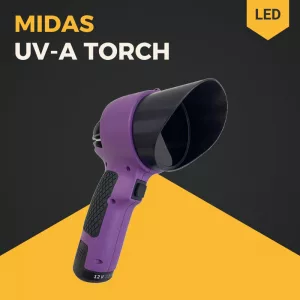
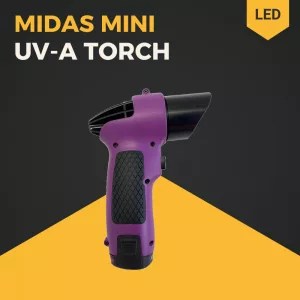
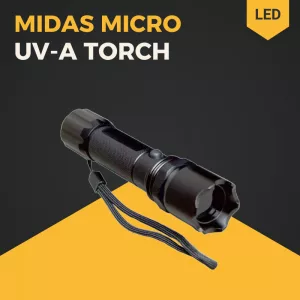
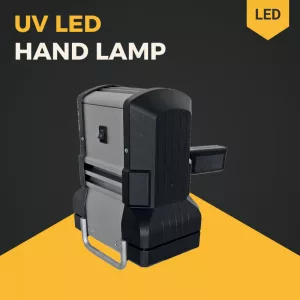
Many conservators work across multiple sites, travelling between museums, private collections, galleries, and historic buildings. For these professionals, portable UV torches and handheld inspection lamps offer a highly practical solution.
Compact UVA torches allow conservators to perform examinations wherever objects are located, without needing a permanent inspection setup. This portability makes them ideal for:
- Condition surveys of private collections
- On-site examination of artworks before acquisition or loan
- Fieldwork in historic properties or archaeological contexts
- Mobile conservation services and independent conservators
Handheld UV lamps are lightweight, easy to transport, and simple to operate, allowing specialists to conduct rapid inspections whenever needed. For many private conservators and consultants, portable UV tools form an essential part of their examination equipment.
Fixed UV lamps for museums, galleries and workshops
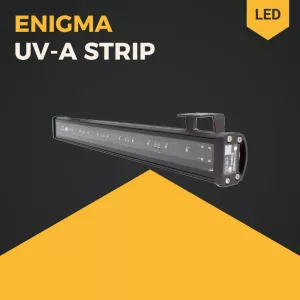
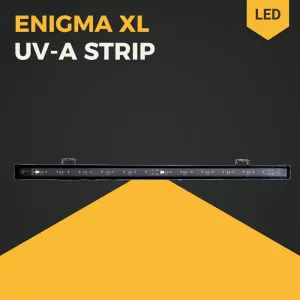
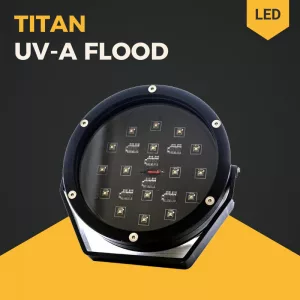
While portable UV torches offer flexibility, many conservation facilities benefit from fixed mount UVA inspection lamps designed for dedicated examination areas.
Museums, galleries, and conservation workshops often establish controlled inspection spaces where artefacts can be examined under consistent lighting conditions. Fixed UV lamps can be mounted above examination tables or integrated into inspection stations to provide stable and even illumination.
These installations allow conservation teams to carry out detailed analysis and documentation in a controlled environment. Fixed systems are particularly useful for:
- Conservation laboratories
- Museum collection examination rooms
- Archival conservation studios
- Artwork analysis during restoration projects
By providing consistent lighting conditions, fixed inspection lamps support repeatable observations and more reliable documentation of fluorescence effects.
Benefits of UVA inspection technology for conservation professionals
UVA inspection lamps offer a range of practical advantages for conservation and preservation specialists. One of the most important benefits is the ability to reveal hidden surface information quickly and non-destructively. This allows conservators to gain valuable insight into the structure and history of an artefact without invasive testing.
The technology also supports improved documentation and analysis, helping conservation teams record areas of previous treatment or deterioration more accurately. For institutions managing large collections, UV inspection can also improve efficiency in condition assessments, allowing conservators to identify issues rapidly during routine examinations.
In addition, the availability of both portable and fixed inspection systems means the technology can be adapted to a wide range of conservation environments, from independent consultants working in the field to large museum laboratories.
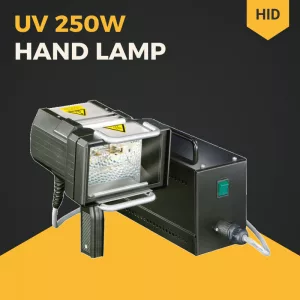
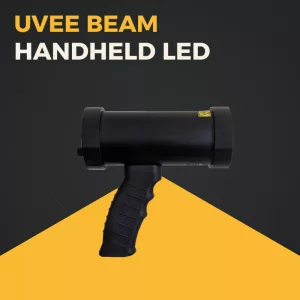
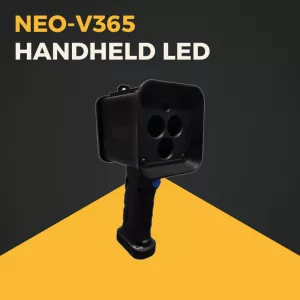
UV-A Blacklights for Conservation
UV safety in the workplace
While UVA inspection lamps are widely used in conservation environments, ultraviolet radiation must always be used responsibly and safely. Any organisation using UV equipment should carry out a full risk assessment to ensure appropriate controls are in place. In the UK, the use of UV light in the workplace is governed by the Control of Artificial Optical Radiation at Work Regulations 2010, which require employers to assess and manage potential exposure to artificial optical radiation sources.
Risk assessments should consider factors such as exposure duration, lamp intensity, working distance, and the use of appropriate personal protective equipment where necessary. Organisations should also ensure that staff working with or around UV equipment receive appropriate training so they understand both the benefits and the safety requirements associated with ultraviolet technology.
To support this process, we offer UV risk management training designed to help organisations understand their legal obligations and implement safe working practices. This training can include guidance on exposure assessment, measurement of personal UV exposure levels, and the safe integration of UV equipment into professional environments.
Supporting modern conservation practice
UVA inspection lamps have become an essential tool for conservation and preservation professionals. By enabling fast, non-destructive visual examination of artefacts, UV technology helps specialists uncover hidden information about materials, previous restoration work, and environmental damage. Whether used in the field with a portable UV torch or within a dedicated museum conservation laboratory using fixed inspection lighting, UVA examination provides a simple yet powerful method for improving the understanding and protection of cultural heritage.
When combined with proper safety procedures and regulatory compliance, UV inspection technology offers conservation professionals an effective and reliable tool for preserving valuable collections for future generations.
Request a quotation
Organisations we’ve worked with



UV health and safety
Any organisation operating artificial UV light sources should have a full understanding of the risks, statutory exposure limits and legal obligations to protect workers and ensure regulatory compliance.
Want to learn more about UV safety?
Join a FREE UV safety webinar