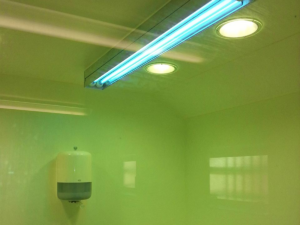
UV equipment solutions for cleanroom and laboratory
Improve hygiene and cleanliness with the power of UV light
Maintaining ultra-clean conditions is critical in controlled environments such as pharmaceutical production, semiconductor manufacturing, biotechnology laboratories, and medical device facilities. Even microscopic particles or microbial contamination can compromise product integrity, regulatory compliance, and operational efficiency.
Ultraviolet (UV) light technology plays an increasingly important role in modern clean room management. From UVA black light inspection systems used to detect contamination to UVC germicidal disinfection that helps reduce microbial load, UV technology provides an effective, non-contact method for monitoring and improving cleanliness.
By integrating UV inspection and UV disinfection technologies into clean room workflows, organisations can enhance contamination control, improve quality assurance, and strengthen compliance with strict industry standards.
Why UV technology is valuable in clean rooms
Clean rooms are designed to maintain extremely low levels of airborne particles, microbes, and chemical contaminants. However, traditional inspection methods can struggle to reveal hidden contamination or trace residues.
UV light offers a powerful visual and microbial detection tool because many materials fluoresce when exposed to ultraviolet wavelengths. This allows operators to quickly identify contamination that would otherwise remain invisible under normal lighting conditions.
When used correctly, UV technology helps organisations:
- Detect particle contamination and residues
- Verify surface cleanliness after cleaning procedures
- Improve quality control and inspection processes
- Reduce microbial contamination in air and on surfaces
- Support compliance with clean room standards and validation protocols
These capabilities make UV lighting an increasingly common feature in controlled environments where sterility, cleanliness, and product integrity are essential.
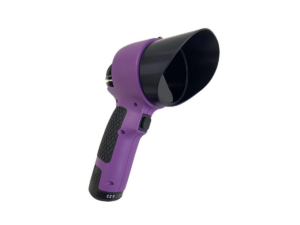
UVA blacklight inspection in clean rooms
One of the most widely used UV technologies in controlled environments is UVA black light inspection, typically operating around 365 nm. These inspection lamps are commonly used during cleaning validation, contamination investigations, and routine quality checks.
When certain contaminants such as oils, residues, fibres, or biological materials are exposed to UVA light, they fluoresce and become visible to inspectors. This fluorescence makes it easier to detect contamination that might otherwise go unnoticed under standard white lighting.
Applications of UVA inspection lamps
UVA black light inspection systems are used in a variety of clean room processes, including:
- Detection of particulate contamination on surfaces and equipment
- Inspection of protective garments, gloves, and tools
- Identification of fluid leaks or residue traces
- Verification of cleaning and sanitation procedures
- Detection of fibres and foreign materials
Because UV inspection is fast and non-destructive, it can be incorporated into routine clean room monitoring without disrupting workflows.
Benefits of UV inspection for clean room operators
For facilities that depend on strict contamination control, UV inspection provides several operational advantages. First, it improves visibility of microscopic contamination, allowing quality control teams to identify problems early before they affect production. Second, UV inspection supports cleaning validation processes, helping teams confirm that sanitation procedures are effective and compliant with regulatory standards. Third, it can reduce costly product rejects or recalls by detecting contamination issues earlier in the process. UV inspection lamps are portable, simple to use, and suitable for integration into standard operating procedures within controlled environments.
UVC disinfection for clean rooms and laboratories
While UVA is primarily used for inspection and contamination detection, UVC light serves a different but equally important function: microbial disinfection.
UVC wavelengths, typically around 254 nm, are widely recognised for their germicidal properties. This type of UV radiation disrupts the DNA or RNA of microorganisms, preventing them from reproducing and effectively inactivating bacteria, viruses, mould, and other microbes.
In clean rooms and laboratories where biological contamination can threaten product safety or research outcomes, UVC disinfection provides an additional layer of protection.
UVC air and surface disinfection
UVC technology can be used in several ways within controlled environments.
For air treatment, UVC systems may be installed within HVAC or air handling units to continuously disinfect circulating air. This helps reduce airborne microbial contamination before it enters the clean room environment.
For surface disinfection, UVC lamps or integrated systems can be used to treat work surfaces, equipment, and enclosed spaces such as pass-through chambers or biosafety cabinets.
These systems can help reduce the presence of harmful microorganisms including bacteria and viruses, supporting higher levels of environmental control.
Benefits of UVC disinfection in controlled environments
For clean room operators, UVC technology offers several important advantages when integrated into contamination control strategies.
One of the most significant benefits is the ability to continuously reduce microbial contamination without chemicals. This can minimise reliance on disinfectants that may leave residues or require extensive handling procedures. UVC systems can also support higher environmental hygiene standards, helping facilities maintain strict cleanliness requirements in pharmaceutical, biotechnology, and life science applications.
In addition, automated UVC solutions can improve operational efficiency by supplementing manual cleaning processes and reducing the risk of human error.
Ultimately, incorporating UVC disinfection technology helps organisations maintain a more stable and controlled clean room environment while protecting sensitive products, research processes, and personnel.
UV Light Equipment for Clean Rooms
-
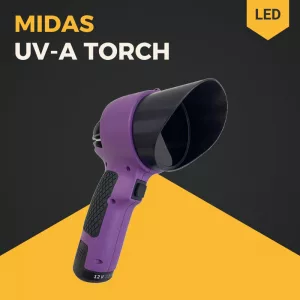
Midas UV-A LED
-
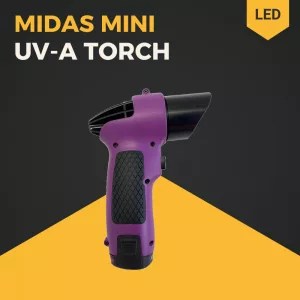
Midas Mini UV-A LED
-
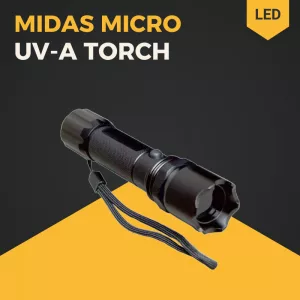
Midas Micro UV-A LED
-
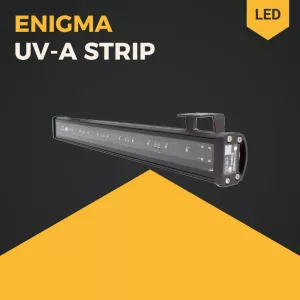
Enigma UV-A LED
-
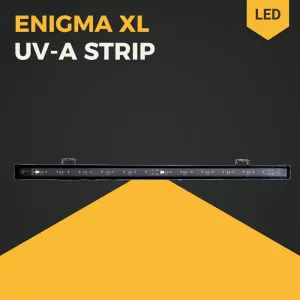
Enigma XL UV-A LED
-
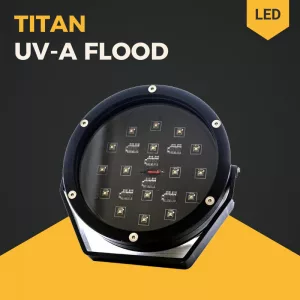
Titan UV-A LED
-
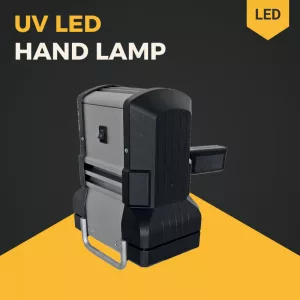
UV-A LED Hand Lamp
-
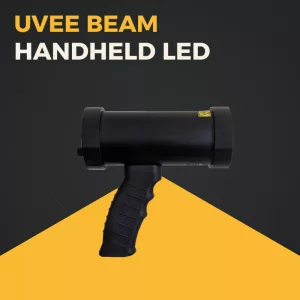
UVEE Big Beam LED
-
UVEE Beam LED
-
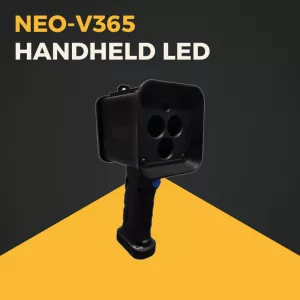
NEO-V-365
-
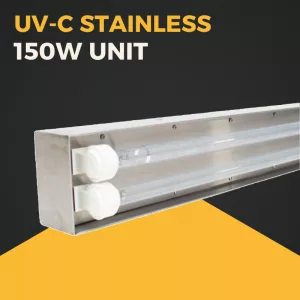
UV-C 150W Unit (SS)
-
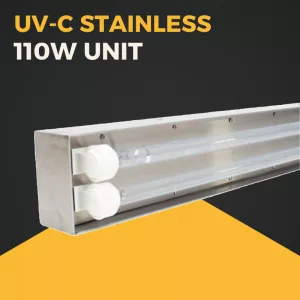
UV-C 110W Unit (SS)
-
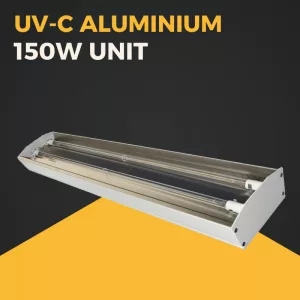
UV-C 150W Unit (AL)
-

UV-C 90W Unit (AL)
-
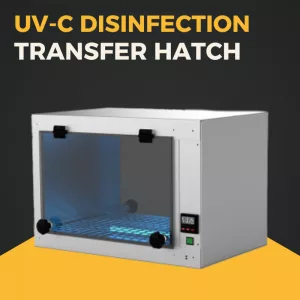
UV-C Transfer Hatch
-
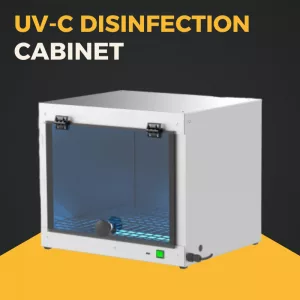
UV-C Cabinet
-
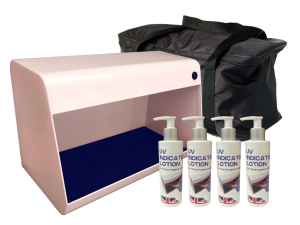
UV Glow Box Kit
-
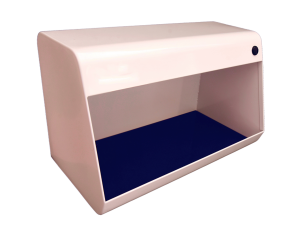
UV Glow Box
-
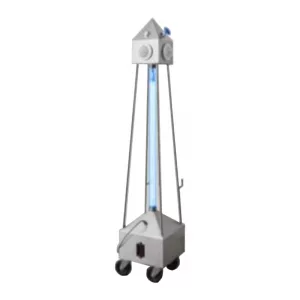
ND CleanMove 1
-
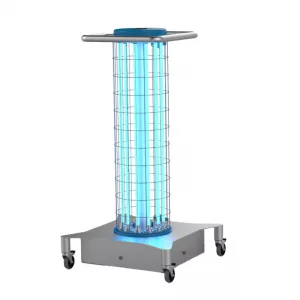
UV-C Disinfection Tower (Large)
-
UV-C Disinfection Tower (Small)
Integrating UV technology into clean room contamination control
The most effective contamination control strategies combine multiple technologies and processes. UV inspection and UV disinfection complement existing clean room protocols such as HEPA filtration, gowning procedures, and chemical sanitation.
By using UVA inspection lamps to detect contamination and UVC systems to reduce microbial presence, facilities can strengthen their quality assurance programs and maintain higher levels of environmental control.
We help organisations implement safe and effective UV light for a range of processes in to cleanrooms and laboratories, including detection of particles and contamination on surfaces, disinfection of air and surfaces in unoccupied rooms and hand hygiene training.
Contact us to discuss your process requirements with a member of our team, you can call 01564 200 826 or complete the form below.
Request a quotation
Organisations we’ve worked with


UV health and safety
Any organisation operating artificial UV light sources should have a full understanding of the risks, statutory exposure limits and legal obligations to protect workers and ensure regulatory compliance.
Want to learn more about UV safety?
Join a FREE UV safety webinar